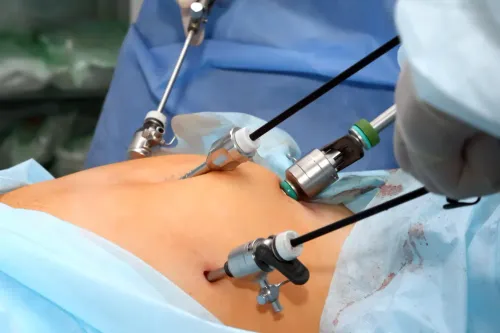
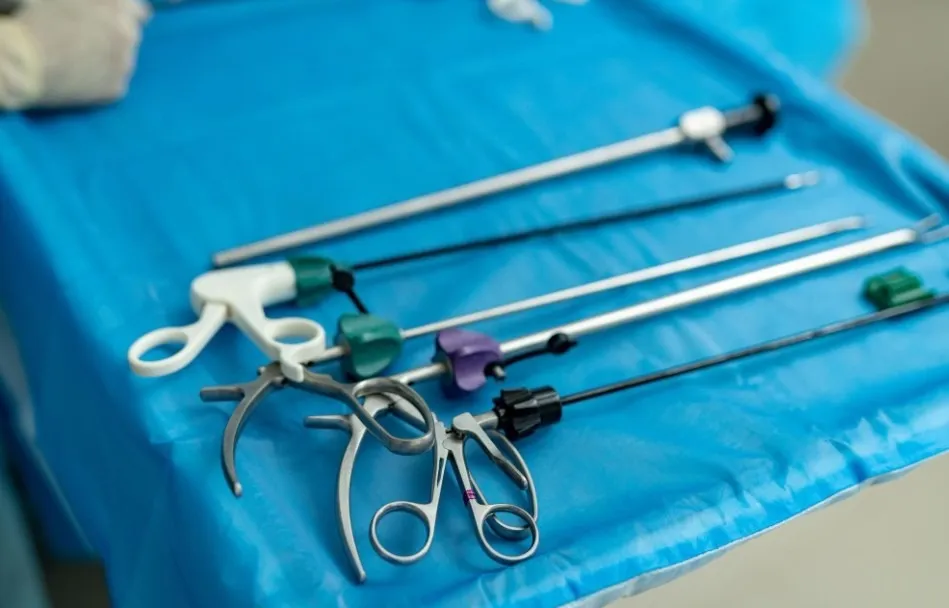
Minimally invasive surgery has become the preferred choice for many medical procedures because it offers faster recovery, reduced pain, and shorter hospital stays. At the heart of every successful minimally invasive procedure are precision-engineered surgical instruments. Choosing the right Laparoscopy Instruments Manufacturer is therefore essential for hospitals, surgical centers, and healthcare institutions.
Healthcare facilities in Pune and throughout Maharashtra continue to expand laparoscopic services across specialties such as general surgery, gynecology, urology, and gastrointestinal surgery. Reliable instruments help surgeons perform procedures with greater precision while improving patient outcomes.
Why Instrument Quality Makes a Difference
Laparoscopic surgery requires exceptional accuracy. Since surgeons operate through small incisions using specialized instruments, even slight manufacturing defects can affect performance.
Well-manufactured laparoscopic instruments provide:
- Better surgical precision
- Smooth instrument movement
- Improved durability
- Reliable functionality
- Consistent clinical performance
- Enhanced patient safety
Quality instruments also reduce maintenance issues and lower replacement frequency over time.
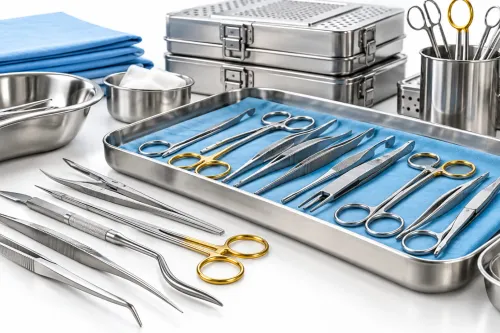
Common Laparoscopic Instruments Used in Surgery
Hospitals typically require a wide range of instruments depending on the procedures performed.
These may include:
- Graspers
- Dissectors
- Scissors
- Needle holders
- Trocars
- Cannulas
- Suction and irrigation instruments
- Clip applicators
- Laparoscopic forceps
- Camera accessories
Purchasing compatible instrument sets simplifies surgical preparation and inventory management.
Key Factors to Evaluate Before Selecting a Manufacturer
Manufacturing Standards
Precision manufacturing ensures every instrument performs consistently during surgery.
High-quality production processes contribute to:
- Accurate alignment
- Smooth articulation
- Secure locking mechanisms
- Comfortable handling
- Long operational life
Material Selection
Medical-grade stainless steel remains the preferred choice for many laparoscopic instruments because it offers excellent corrosion resistance and durability under repeated sterilization.
Ease of Sterilization
Laparoscopic instruments undergo frequent cleaning and sterilization between procedures.
Manufacturers should design products that can withstand repeated sterilization without affecting structural integrity or performance.
Ergonomic Design
Surgeons often perform lengthy procedures that require exceptional control.
Comfortable handles, balanced weight distribution, and intuitive instrument design reduce fatigue while improving surgical precision.
Importance of Consistency Across Instrument Sets
Hospitals performing multiple laparoscopic procedures every day benefit from standardized instrument sets.
Consistency simplifies:
- Staff training
- Procedure preparation
- Inventory management
- Maintenance planning
- Replacement ordering
Standardized equipment also reduces the learning curve for operating theatre teams.
Considering Long-Term Value
While purchase price is an important consideration, procurement decisions should focus on lifecycle value.
Evaluate factors such as:
- Product durability
- Maintenance costs
- Replacement availability
- Manufacturer support
- Warranty coverage
- Clinical performance
A dependable instrument that lasts for years often delivers greater value than lower-priced alternatives requiring frequent replacement.
Questions Healthcare Institutions Should Ask
Before finalizing a manufacturer, procurement teams should ask:
- What materials are used in production?
- How are instruments tested for quality?
- Are customized instrument sets available?
- Can replacement parts be supplied?
- What warranty is offered?
- Is technical support available after delivery?
These discussions help ensure the selected products meet both clinical and operational requirements.
Supporting Modern Surgical Care
The growing demand for minimally invasive surgery across Pune has increased the need for reliable laparoscopic instruments that combine precision, durability, and ease of maintenance.
Manufacturers such as Windlio International provide hospital furniture and healthcare equipment solutions that support modern medical institutions and evolving surgical infrastructure. Information available on windlio.in offers healthcare buyers insight into products designed for institutional healthcare environments.
Selecting a laparoscopy instruments manufacturer should be viewed as a long-term investment in surgical excellence. High-quality instruments contribute to smoother procedures, better patient outcomes, and greater operational efficiency, making them an essential part of any modern healthcare facility.
Keywords