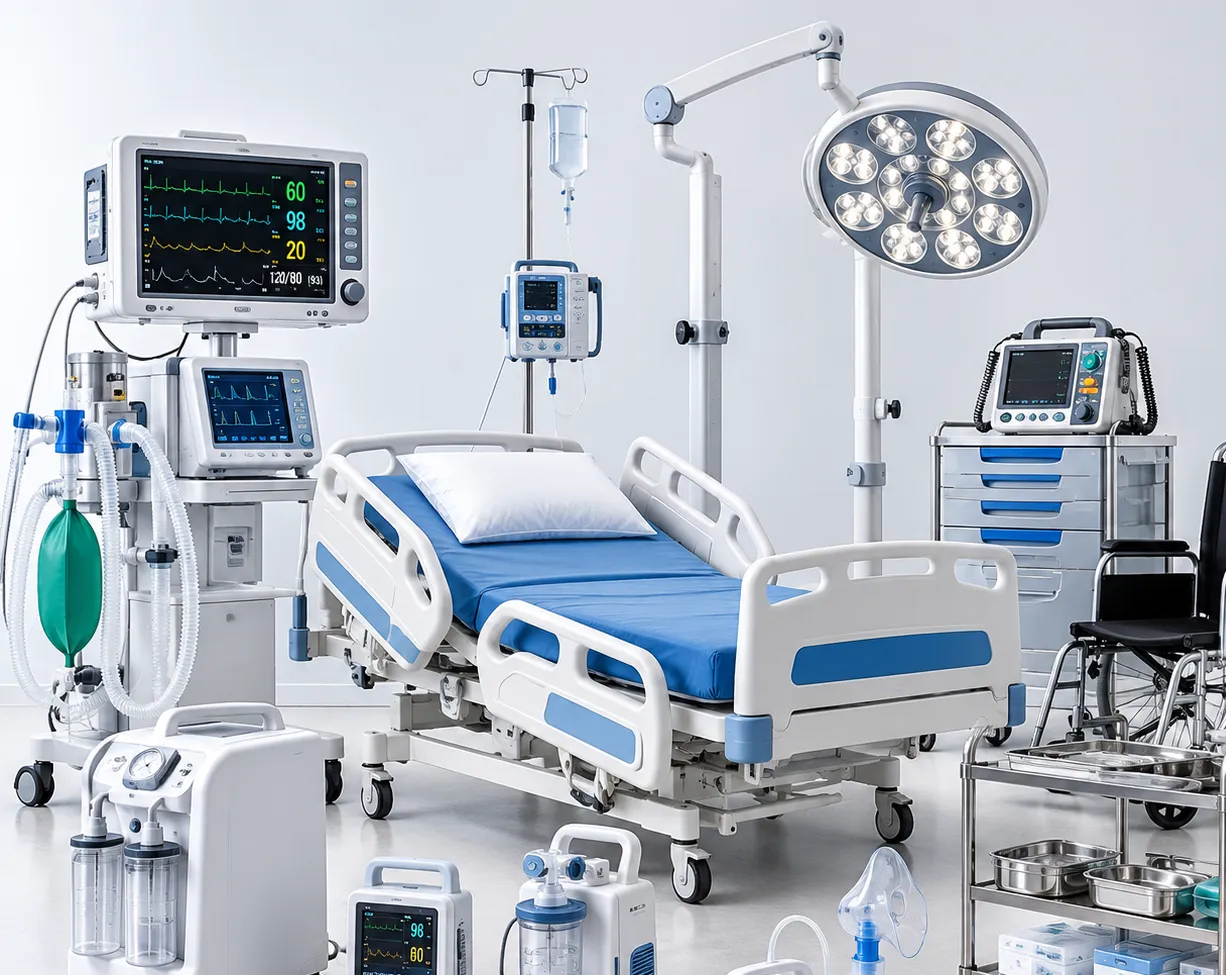
Opening a clinic, expanding a hospital department, or developing a new healthcare facility can involve hundreds of procurement decisions. Selecting a Medical Equipment Supplier becomes easier when the project team separates clinical requirements from general purchasing tasks.
The right equipment schedule should reflect how the facility will operate after commissioning.
Create Department-Level Requirements
Avoid beginning with one large list containing every product.
Instead, divide requirements by areas such as:
- Outpatient departments
- Patient wards
- Emergency areas
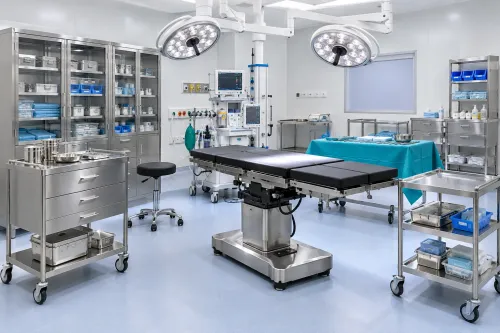
- Operation theatres
- Procedure rooms
- Diagnostic sections
- Rehabilitation departments
- Utility areas
This makes it easier for clinicians to review specifications relevant to their own departments.
Separate Essential Features From Preferences
Procurement lists often become expensive because every available feature is treated as essential.
Clinical teams should distinguish between functions required for patient care and optional features that may offer convenience but are not necessary for the intended application.
This creates a more rational basis for budget allocation.
Compare Equivalent Specifications
A common procurement mistake is comparing prices before confirming that quotations describe equivalent products.
For every major item, create a technical specification sheet covering dimensions, construction, functionality, accessories, mobility, power requirements where relevant, and other critical characteristics.
Commercial comparison should follow technical comparison.
Consider Space Constraints
Equipment should fit the actual healthcare environment.
Hospitals in Pune and across Maharashtra may operate from purpose-built campuses, converted commercial properties, compact urban buildings, or specialty clinics. Available space can differ substantially.
Measure rooms, doors, corridors, lifts, and storage areas before finalising larger equipment.
Include Operational Teams
Doctors may define clinical functions, but nurses, technicians, biomedical personnel, facility teams, and housekeeping staff can identify practical considerations that might otherwise be overlooked.
Their input can reveal questions about mobility, cleaning, storage, maintenance access, electrical connections, or day-to-day handling.
Assess Supplier Capabilities
A Medical Equipment Supplier should be evaluated according to the scope of the project.
Ask whether the supplier can provide:
- Detailed product specifications
- Multiple configurations
- Quantity planning
- Delivery coordination
- Product documentation
- Installation guidance where applicable
- After-supply support
Windlio International operates from Pune within the hospital furniture and medical equipment sector. Healthcare institutions evaluating the company or other suppliers should discuss the exact intended use of equipment instead of relying only on catalogue descriptions.
Plan Delivery Around Project Readiness
Equipment arriving too early may need storage, creating handling risks. Equipment arriving too late can delay commissioning.
New healthcare projects should coordinate procurement schedules with civil work, interiors, electrical systems, medical gases, HVAC, and department readiness.
Phased deliveries may be appropriate for larger facilities.
Think About Lifecycle Requirements
Purchase price represents only one part of equipment ownership.
Depending on the product, healthcare institutions may also need to consider cleaning, preventive maintenance, consumables, replacement components, operator familiarisation, storage, and future upgrades.
Products with complicated maintenance requirements can create operational costs that are not visible in the original quotation.
Build a Procurement Record
Maintain records of approved specifications, quantities, supplier details, model information, delivery dates, warranties where applicable, and department allocation.
This becomes useful for maintenance and future replacement procurement.
For healthcare institutions across Maharashtra, choosing a Medical Equipment Supplier through a structured buying process can reduce specification errors and improve budget control. The most effective procurement decisions come from matching equipment to clinical use, available space, operational requirements, lifecycle considerations, and realistic project timelines.
Keywords