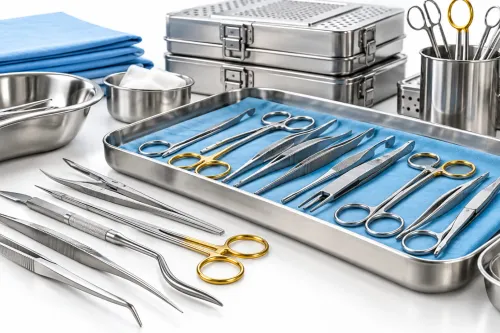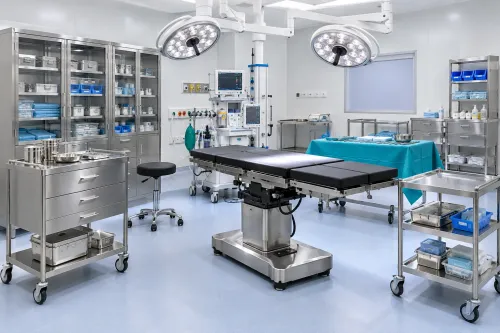
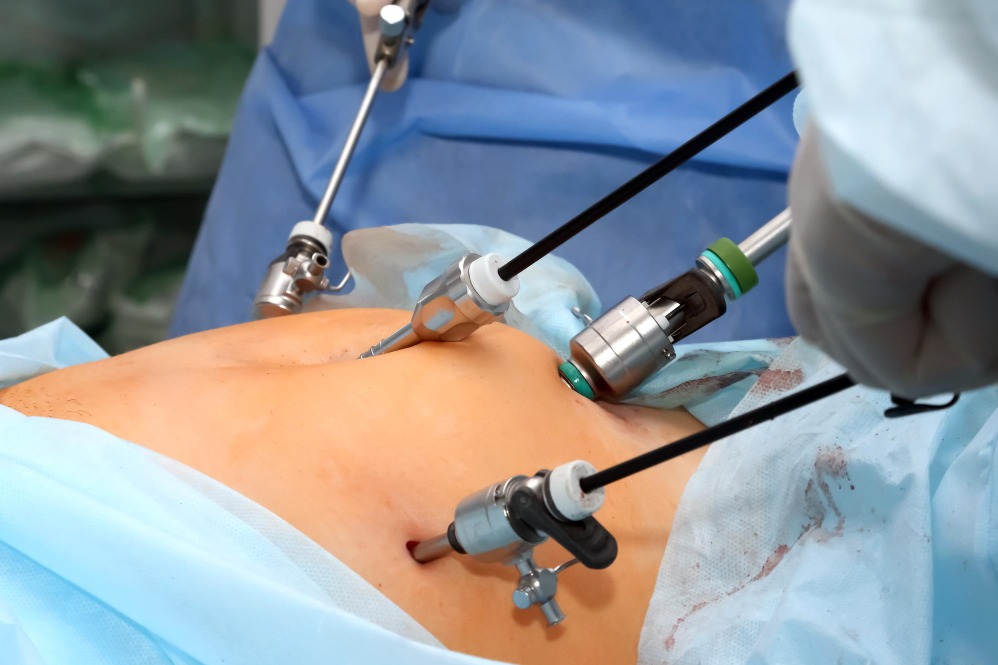
Laparoscopic surgery depends on a coordinated set of instruments selected for the procedure, surgical technique, clinical team, and supporting system. Hospitals should therefore avoid building procurement lists simply by copying generic catalogues.
Working with a suitable Laparoscopy Instruments Manufacturer starts with defining the procedures the surgical department intends to perform.
Build Requirements Around Procedures
The first step is to list the laparoscopic procedures currently performed or planned by the hospital.
Surgeons can then identify the instruments required for each procedure and determine which products can be shared across sets.
This method creates a more practical procurement list than purchasing instruments individually without understanding how they will be used together.
Separate Core Items From Specialty Requirements
Some laparoscopic instruments may be used frequently across procedures, while others are required only for particular specialties.
Dividing the list into core and specialty requirements helps procurement teams understand quantities and priorities.
It can also make future expansion easier because additional specialty sets can be planned separately.
Verify Compatibility
Compatibility is a major consideration when laparoscopic instruments interact with other equipment or components.
Healthcare buyers should confirm compatibility based on manufacturer specifications rather than assuming that visually similar products will work together.
Where existing equipment is already installed, provide accurate system details during technical discussions.
Review Sizes Carefully
Laparoscopic instruments can vary by diameter, length, tip design, configuration, and intended function.
Generic purchase descriptions increase the possibility of errors.
Procurement documents should contain enough information for the manufacturer or supplier to identify the exact required instrument.
Include Reprocessing Considerations
Reusable instruments need to fit within the hospital's established cleaning, inspection, sterilisation, storage, and tracking processes.
Clinical teams should follow applicable reprocessing protocols and the relevant manufacturer's instructions.
Procurement staff can also discuss disassembly, cleaning accessibility, and handling requirements where relevant to the selected instrument.
Ask About Repeat Supply
Instrument sets evolve over time. Products may require replacement, quantities may increase, or new procedure sets may be added.
Hospitals should consider whether the manufacturer can support repeat procurement in consistent specifications.
Windlio International operates from Pune in the hospital furniture and medical equipment sector, including surgical product requirements. Healthcare procurement teams evaluating the company or another Laparoscopy Instruments Manufacturer should maintain detailed product records to simplify future orders.
Keep Technical Approval Separate From Commercial Approval
A practical purchasing process uses two stages.
First, surgeons or authorised clinical personnel verify that the proposed instruments meet procedural requirements. Procurement teams can then compare commercial terms among technically suitable options.
This avoids selecting an instrument primarily because it has the lowest quoted price.
Plan Quantities Using Theatre Workload
Instrument quantity should reflect expected procedure volume, turnaround requirements, reprocessing time, emergency requirements, and available backup sets.
Too few sets can create scheduling constraints. Excessive purchasing can unnecessarily increase capital tied up in inventory.
Hospitals should therefore use procedure data where available.
Create a Master Instrument Record
Maintain a structured record containing instrument descriptions, specifications, quantities, supplier information, department allocation, and purchase history.
For healthcare facilities in Pune and other parts of Maharashtra, this can simplify replacement and expansion planning.
Selecting a Laparoscopy Instruments Manufacturer is most effective when the process begins with surgical requirements rather than catalogue browsing. Procedure-based planning, detailed specifications, compatibility verification, clinical approval, reprocessing considerations, and repeat-supply capability can help hospitals build instrument sets that are more closely aligned with actual OT requirements.
Keywords