Choosing a dependable Medical Equipment Supplier is one of the most critical decisions for any healthcare organization. Medical equipment directly supports diagnosis, treatment, patient monitoring, and emergency care. The reliability of these products influences operational efficiency, clinical outcomes, and patient safety every day.
Whether establishing a new hospital in Pune, expanding a specialty clinic, or upgrading healthcare infrastructure across Maharashtra, selecting the right supplier requires careful evaluation beyond product pricing.
Why Supplier Selection Matters
Medical equipment purchases represent a significant investment for hospitals and healthcare institutions. Poor-quality equipment may lead to inaccurate readings, unexpected breakdowns, delayed treatments, and higher maintenance costs.
A trustworthy supplier provides not only quality equipment but also dependable support throughout the product lifecycle.
Healthcare providers benefit from suppliers who understand the practical challenges faced by doctors, nurses, biomedical engineers, and procurement teams.
Types of Medical Equipment Hospitals Commonly Purchase
Healthcare facilities require equipment across multiple departments.
Common categories include:
- Patient monitoring systems
- Examination equipment
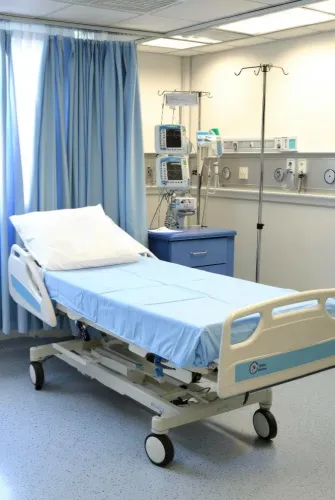
- Hospital beds
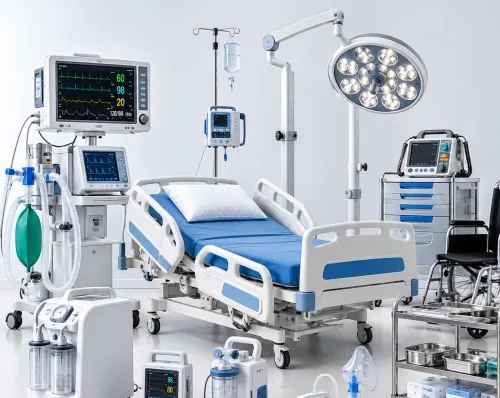
- ICU equipment
- Emergency care products
- Stretchers
- Wheelchairs
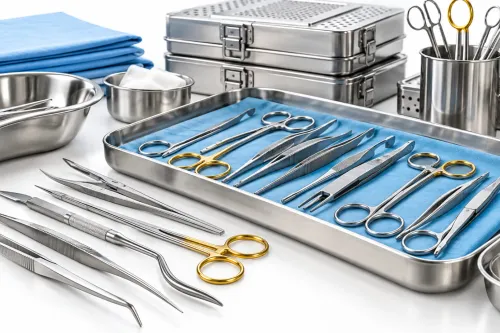
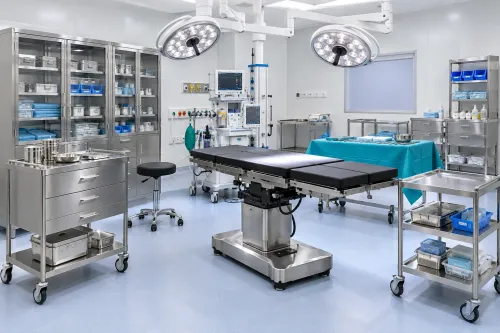
- Surgical support equipment
- Laboratory equipment
- Medical trolleys
- Bedside furniture
- Diagnostic accessories
Purchasing compatible equipment from reliable manufacturers improves workflow and simplifies maintenance.
Characteristics of a Reliable Medical Equipment Supplier
Several qualities distinguish a dependable supplier from an average one.
Consistent Product Quality
Quality should always come first.
Equipment manufactured using durable materials and precision engineering generally delivers better long-term performance while reducing maintenance requirements.
Healthcare institutions should verify manufacturing standards before making procurement decisions.
Product Range
Hospitals often prefer suppliers capable of offering multiple categories of healthcare equipment.
Working with one dependable supplier can simplify procurement, reduce administrative work, and improve compatibility across departments.
Technical Knowledge
An experienced supplier understands healthcare operations rather than simply selling products.
They can recommend suitable equipment based on:
- Hospital size
- Department requirements
- Patient capacity
- Clinical applications
- Budget considerations
- Future expansion plans
This consultative approach leads to better purchasing decisions.
Importance of After-Sales Support
After-sales service often determines the long-term success of a procurement project.
Healthcare institutions should consider:
- Installation assistance
- Maintenance support
- Availability of spare parts
- Product servicing
- Technical guidance
- Warranty coverage
Reliable service minimizes downtime and ensures uninterrupted patient care.
Compliance and Safety Standards
Medical equipment should comply with applicable healthcare manufacturing and safety standards.
Hospitals should verify product certifications, quality assurance processes, and manufacturing practices before finalizing suppliers.
Compliance helps reduce operational risks while supporting regulatory requirements.
Evaluating Total Cost Instead of Purchase Price
The lowest quotation is not always the most economical option.
Healthcare buyers should consider:
- Product lifespan
- Repair frequency
- Maintenance expenses
- Service availability
- Replacement costs
- Operational efficiency
Higher-quality equipment often delivers better value over its lifecycle.
Questions Procurement Teams Should Ask
Before selecting a supplier, decision-makers should clarify:
- Is the equipment suitable for our department?
- Can the supplier fulfill bulk institutional orders?
- How quickly can replacements be provided?
- Are installation and training available?
- What warranty is included?
- How responsive is the support team?
Clear answers reduce procurement risks and improve purchasing confidence.
Supporting Healthcare Infrastructure Growth
Healthcare infrastructure in Pune continues to evolve with new hospitals, specialty clinics, diagnostic centers, and rehabilitation facilities. As demand increases, institutions require dependable suppliers capable of delivering consistent quality across large-scale projects.
Manufacturers such as Windlio International provide hospital furniture and medical equipment solutions for institutional healthcare buyers. Their offerings, available through windlio.in, are designed to support hospitals, healthcare developers, distributors, and procurement professionals seeking durable, functional equipment for modern medical environments.
Selecting the right medical equipment supplier is ultimately a strategic investment. Quality products, dependable support, and long-term reliability contribute to smoother hospital operations, better patient care, and sustainable healthcare growth.
Keywords