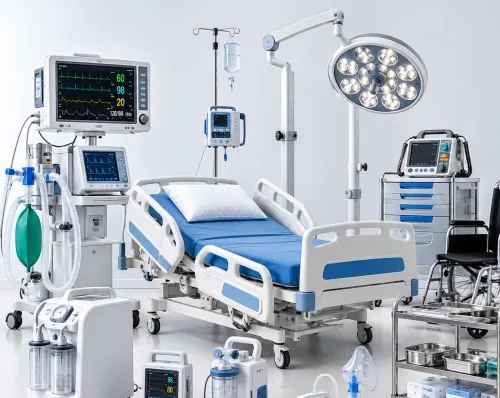
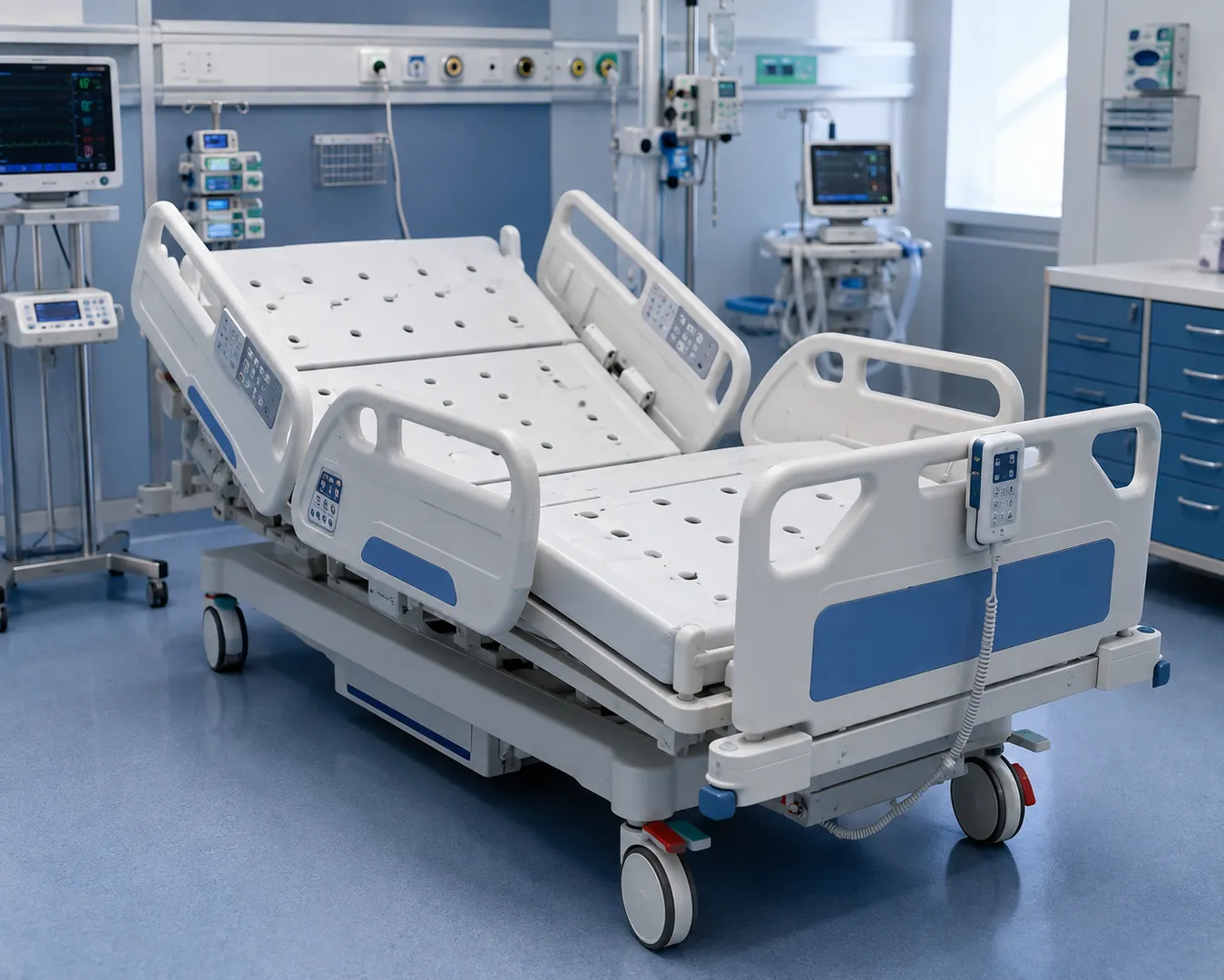
Critical care units demand equipment that performs reliably under the most challenging conditions. Among the most important investments is the hospital bed itself. Selecting the right ICU Bed Manufacturer can influence patient safety, caregiver efficiency, infection control, and the overall quality of critical care.
As hospitals and multi-specialty healthcare facilities in Pune and across Maharashtra continue expanding their intensive care capabilities, procurement teams are evaluating ICU beds based on functionality, durability, and long-term value rather than price alone.
Why ICU Beds Require Higher Standards
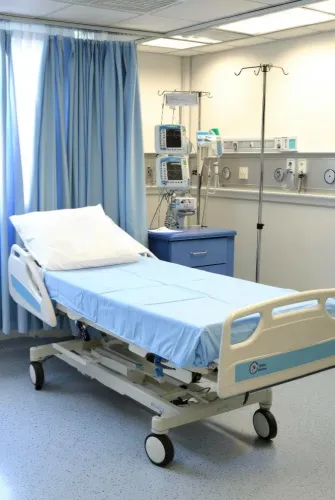
Unlike standard hospital beds, ICU beds are designed for patients who require continuous monitoring and advanced medical care. They support life-saving procedures, allow rapid patient positioning, and help healthcare professionals respond efficiently during emergencies.
An ICU bed should provide stability, ease of operation, and compatibility with modern monitoring equipment while ensuring patient comfort during extended hospital stays.
Features Every Modern ICU Bed Should Offer
When comparing different manufacturers, hospitals should prioritize functionality over cosmetic appearance.
Key features include:
- Electric height adjustment
- Backrest and leg-rest positioning
- Trendelenburg and reverse Trendelenburg positions
- Lockable castor wheels
- Foldable side rails
- CPR release mechanism
- Integrated patient safety features
- Durable mattress platform
- Compatibility with monitoring systems and accessories
The combination of these features helps improve patient care while reducing physical strain on nursing staff.
Factors That Differentiate a Reliable ICU Bed Manufacturer
Build Quality
ICU beds operate continuously and must withstand intensive daily use.
Strong steel construction, corrosion-resistant finishes, and precision engineering contribute to a longer operational life while reducing maintenance requirements.
Patient Safety
Critical care patients often have limited mobility.
Safety features such as secure side rails, smooth height adjustment, emergency positioning controls, and reliable wheel-locking mechanisms help prevent accidents and support safe patient handling.
Ease of Cleaning
Maintaining strict hygiene standards is essential in intensive care units.
Beds designed with smooth surfaces and minimal joints are easier to disinfect, reducing the risk of infection and supporting hospital cleaning protocols.
User-Friendly Controls
Healthcare professionals frequently adjust ICU beds throughout the day.
Intuitive controls improve efficiency, especially during emergencies when every second matters.
Considering Long-Term Operational Costs
While initial purchase cost is important, hospitals should also evaluate the total cost of ownership.
Questions to consider include:
- How often does the bed require maintenance?
- Are spare parts easily available?
- Is technical service locally accessible?
- How durable is the electrical system?
- What warranty support is offered?
A well-built ICU bed often delivers greater value by minimizing repair costs and extending service life.
Common Procurement Mistakes to Avoid
Hospitals occasionally focus only on pricing without considering long-term performance.
Some common mistakes include:
- Ignoring after-sales service availability
- Purchasing equipment without verifying quality standards
- Choosing beds that cannot accommodate future accessories
- Overlooking ease of maintenance
- Failing to assess staff usability
Avoiding these issues leads to better procurement decisions and smoother hospital operations.
Choosing the Right Manufacturer for Institutional Projects
Large hospitals, specialty centers, and government healthcare organizations require manufacturers capable of supplying consistent quality across multiple departments.
A dependable manufacturer should also provide technical support, installation guidance, and reliable product availability for future expansion.
Supporting Critical Care Infrastructure
Healthcare investments in Pune continue to strengthen emergency and intensive care services. Reliable ICU beds remain an essential part of this development, supporting better patient outcomes and efficient clinical workflows.
Manufacturers such as Windlio International develop hospital furniture and medical equipment for institutional healthcare projects. Through windlio.in, healthcare procurement teams can review solutions designed to meet the needs of modern hospitals, nursing homes, and specialty healthcare facilities.
Selecting an ICU bed manufacturer should be viewed as a strategic healthcare investment. The right choice provides long-term reliability, improves caregiver efficiency, enhances patient safety, and supports the evolving demands of modern critical care.
Keywords