Surgical instruments are among the most critical tools used in healthcare. From routine procedures to complex operations, the precision and reliability of these instruments directly influence surgical outcomes. Choosing the right Surgical Instruments Manufacturer is therefore an essential decision for hospitals, nursing homes, specialty clinics, and healthcare procurement teams.
With healthcare infrastructure expanding across Pune and Maharashtra, institutions are increasingly focusing on manufacturers that can deliver consistent quality, durable products, and dependable supply for long-term operations.
Why Surgical Instrument Quality Is So Important
Every surgical procedure depends on instruments performing exactly as expected.
Poorly manufactured instruments may lose precision, corrode prematurely, or become difficult to sterilize. These issues can interrupt procedures, increase maintenance costs, and compromise patient safety.
High-quality surgical instruments provide:
- Better precision during surgery
- Improved durability
- Consistent performance
- Easier sterilization
- Lower replacement frequency
- Enhanced safety for surgeons and patients
For healthcare institutions, quality should always take precedence over the lowest purchase price.
Types of Surgical Instruments Used in Hospitals
Hospitals require a wide range of instruments across different specialties.
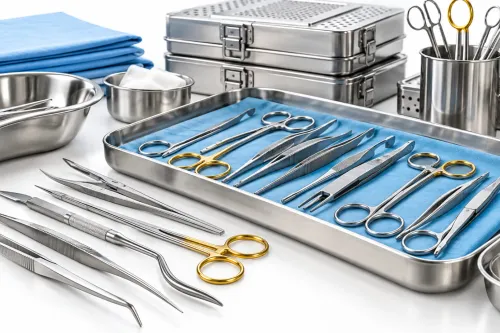
These commonly include:
- Forceps
- Scissors
- Needle holders
- Retractors
- Clamps
- Surgical probes
- Tissue handling instruments
- Bone surgery instruments
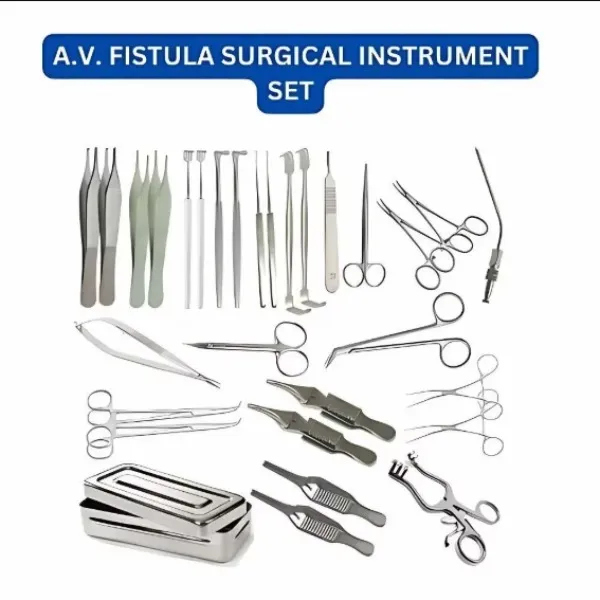
- General surgery instrument sets
- Specialty instruments for orthopedic, ENT, gynecology, and cardiovascular procedures
Different departments have unique requirements, making product consistency an important consideration.
Characteristics of a Reliable Manufacturer
Not all manufacturers maintain the same production standards. Procurement teams should evaluate suppliers carefully before placing institutional orders.
High-Quality Materials
Medical-grade stainless steel remains one of the preferred materials because it offers excellent durability, corrosion resistance, and long service life.
Quality raw materials contribute significantly to instrument performance.
Precision Manufacturing
Every instrument should be manufactured with tight dimensional accuracy.
Proper alignment, smooth movement, secure locking mechanisms, and comfortable handling all contribute to better surgical efficiency.
Consistent Quality Control
Reliable manufacturers maintain quality checks throughout the production process rather than inspecting products only after manufacturing is complete.
Consistent quality reduces variations between batches and ensures dependable performance.
Importance of Sterilization Compatibility
Surgical instruments undergo repeated sterilization throughout their lifecycle.
Manufacturers should design instruments capable of withstanding frequent exposure to:
- Steam sterilization
- Chemical disinfectants
- High temperatures
- Routine cleaning procedures
Durable construction helps extend product life while maintaining clinical performance.
Evaluating Long-Term Value
Hospitals should assess surgical instruments based on lifecycle costs instead of initial purchase prices.
Factors worth considering include:
- Product longevity
- Maintenance requirements
- Ease of cleaning
- Availability of replacements
- Performance consistency
- Warranty support
Higher-quality instruments generally provide greater long-term value despite higher upfront costs.
Questions Healthcare Buyers Should Ask
Before selecting a surgical instruments manufacturer, procurement teams should clarify:
- Which materials are used?
- What quality control processes are followed?
- Can customized instrument sets be supplied?
- Is technical documentation available?
- Are replacement instruments easily available?
- What warranty is offered?
- Can the manufacturer fulfill recurring institutional orders?
These questions help minimize procurement risks.
Why Working with an Experienced Manufacturer Matters
Large healthcare facilities often require reliable supply chains for recurring procurement.
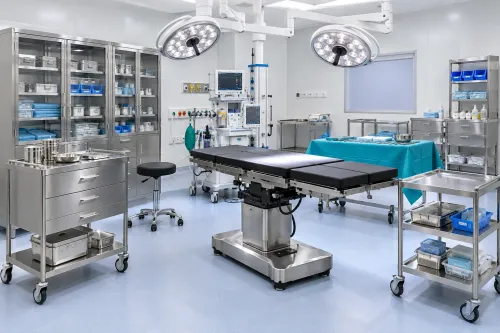
Experienced manufacturers understand institutional purchasing, project timelines, and department-specific requirements. They can also support healthcare infrastructure projects involving multiple operating theatres or specialty departments.
Choosing the Right Partner
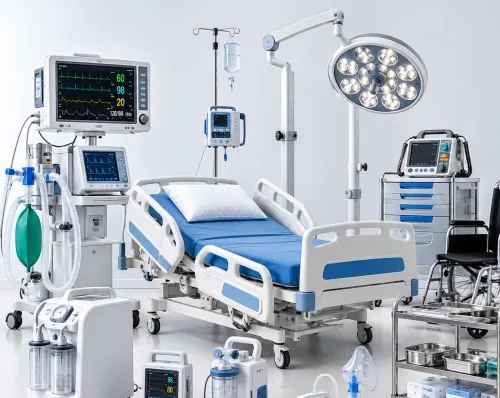
As hospitals across Pune continue investing in advanced surgical services, selecting dependable manufacturing partners becomes increasingly important. Quality surgical instruments support better clinical performance while helping healthcare organizations maintain consistent standards of care.
Companies like Windlio International manufacture healthcare equipment and hospital solutions that serve institutional buyers across multiple healthcare segments. Information available through windlio.in enables procurement teams to evaluate products suited for modern healthcare facilities.
Choosing a surgical instruments manufacturer should never be based solely on price. A thoughtful evaluation of quality, manufacturing expertise, durability, and long-term support ensures healthcare institutions invest in equipment that performs reliably for years while supporting safe and efficient patient care.
Keywords