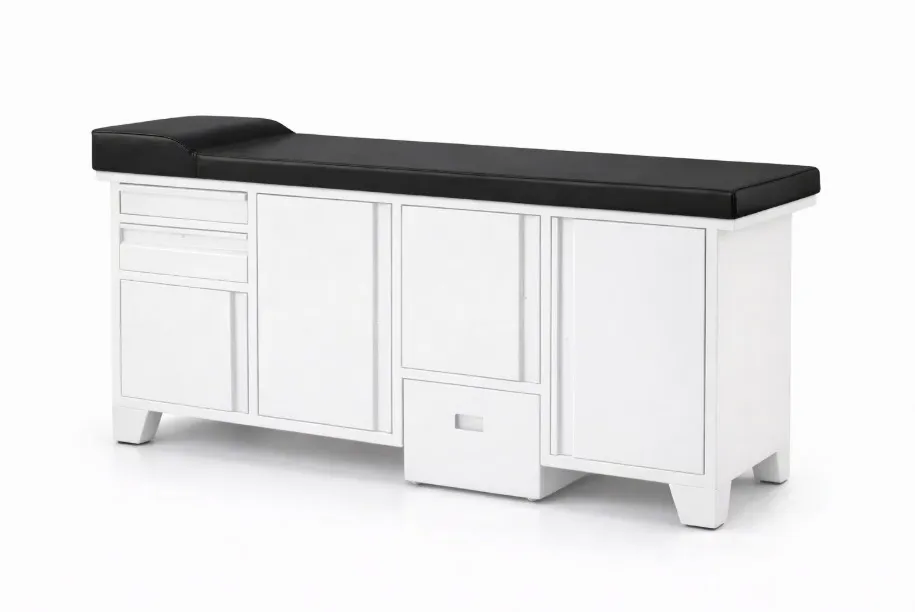
Selecting the right Hospital Furniture Manufacturer is one of the most important decisions when planning or upgrading a healthcare facility. Hospital furniture is more than just equipment—it directly affects patient safety, staff efficiency, infection control, and the overall quality of care.
Whether you are setting up a new hospital, expanding a multi-specialty clinic, or renovating an existing healthcare institution in Pune or elsewhere in Maharashtra, investing in high-quality hospital furniture ensures long-term reliability and better healthcare outcomes.
Why Hospital Furniture Matters More Than Ever
Healthcare environments operate around the clock. Every hospital bed, stretcher, trolley, and examination table experiences continuous use. Poor-quality furniture can lead to frequent maintenance, operational disruptions, and even patient safety concerns.
Modern hospitals also have to meet strict hygiene and infection control standards. Furniture designed with smooth finishes, durable materials, and easy-to-clean surfaces helps reduce contamination risks while simplifying routine maintenance.
Apart from functionality, well-designed hospital furniture improves patient comfort and allows healthcare professionals to perform procedures more efficiently.
Essential Hospital Furniture Every Healthcare Facility Needs
The requirements vary depending on the size and specialty of the healthcare institution, but most facilities require:
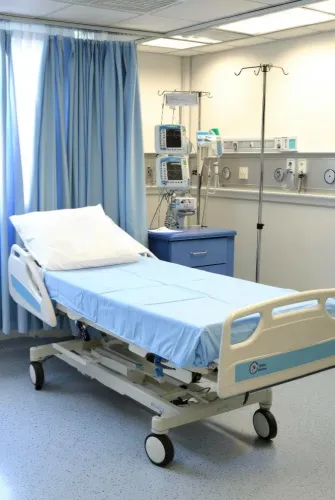
- Hospital beds for general wards
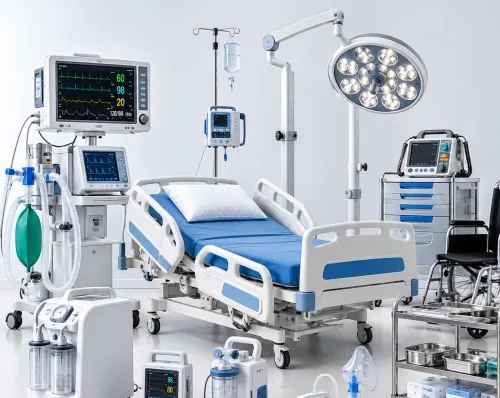
- ICU beds with advanced positioning features
- Patient stretchers
- Examination tables
- Wheelchairs
- Bedside lockers and overbed tables
- Monitor trolleys
- Instrument trolleys
- Emergency crash carts
- Utility trolleys
- Patient transfer equipment
Choosing compatible furniture across departments creates a more organized and efficient healthcare environment.
What to Look for in a Hospital Furniture Manufacturer
Not every manufacturer follows the same production standards. Before making a purchase, healthcare administrators should carefully evaluate several important factors.
Manufacturing Quality
The durability of hospital furniture depends on the quality of raw materials and engineering. Powder-coated steel frames, corrosion-resistant finishes, precision welding, and sturdy construction contribute to a longer service life.
Furniture should withstand continuous movement, heavy patient loads, and repeated cleaning without deterioration.
Safety Standards
Healthcare furniture must prioritize patient and caregiver safety.
Look for features such as:
- Smooth edges
- Lockable wheels
- Stable construction
- Secure side rails
- Easy height adjustment
- Reliable braking systems
These features help reduce accidents and improve day-to-day operations.
Infection Control
Modern healthcare facilities place significant emphasis on infection prevention.
Furniture with seamless surfaces, antimicrobial coatings where applicable, and easy-to-clean materials supports better hygiene protocols.
This is especially important for ICUs, emergency departments, operation theatres, and isolation wards.
Ergonomic Design
Doctors, nurses, and caregivers use hospital furniture throughout long shifts.
Ergonomically designed equipment reduces physical strain while improving workflow. Adjustable furniture also enhances patient comfort during treatment and recovery.
Importance of Customization
Every healthcare facility operates differently.
A specialty orthopedic hospital has different requirements than a maternity center or a diagnostic laboratory.
A reliable manufacturer should be able to customize products based on:
- Ward layout
- Available space
- Department requirements
- Patient capacity
- Clinical workflow
- Equipment compatibility
Customized solutions often improve operational efficiency while maximizing available space.
Why Local Manufacturing Offers an Advantage
Hospitals in Pune and nearby regions often benefit from working with local manufacturers.
Some advantages include:
- Faster delivery timelines
- Easier installation support
- Quick maintenance assistance
- Better communication during project execution
- Availability of spare parts
- Reduced transportation delays
These practical benefits become especially valuable during hospital expansion projects or urgent procurement requirements.
Questions Buyers Should Ask Before Purchasing
Before finalizing any supplier, procurement teams should ask:
- What materials are used in manufacturing?
- Does the furniture comply with healthcare quality standards?
- Can products be customized?
- Is after-sales service available?
- Are spare parts easily accessible?
- What warranty is provided?
- Can the manufacturer handle bulk institutional orders?
These questions help avoid unexpected issues after installation.
Looking Beyond the Initial Cost
Many buyers focus only on purchase price. However, hospital furniture should be evaluated based on long-term value.
High-quality products generally offer:
- Lower maintenance expenses
- Longer operational life
- Improved staff productivity
- Better patient experience
- Reduced replacement frequency
A slightly higher upfront investment often results in significant savings over several years.
Choosing a Reliable Manufacturing Partner
Healthcare infrastructure continues to expand rapidly across Maharashtra, increasing the demand for dependable medical furniture solutions. Working with an experienced manufacturer can simplify procurement while ensuring consistent product quality across departments.
Companies such as Windlio International, based in Pune, focus on manufacturing a wide range of hospital furniture designed for hospitals, nursing homes, diagnostic centers, and institutional healthcare projects. Exploring their product range through windlio.in can help procurement teams understand the types of solutions available for modern healthcare facilities.
Ultimately, selecting the right hospital furniture manufacturer is about more than buying equipment. It is about creating a safe, efficient, and patient-friendly healthcare environment that supports quality care for years to come.
Keywords