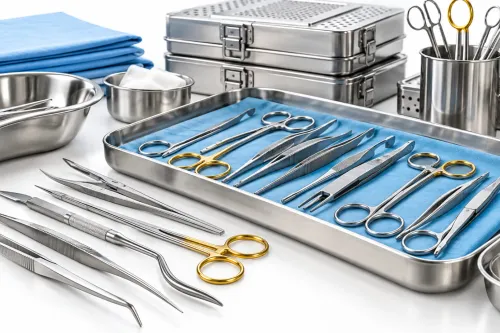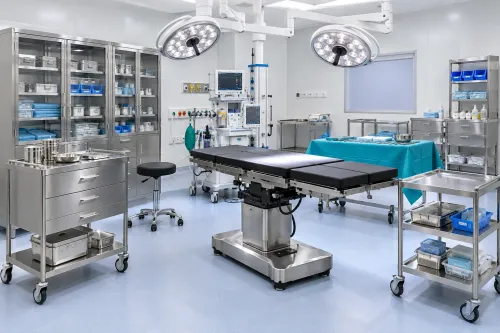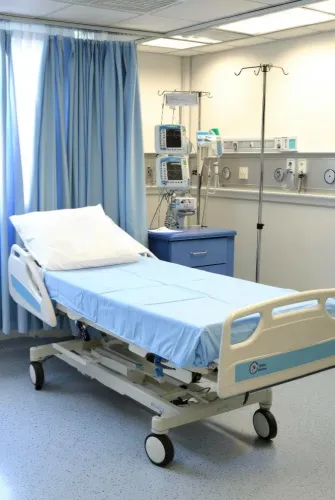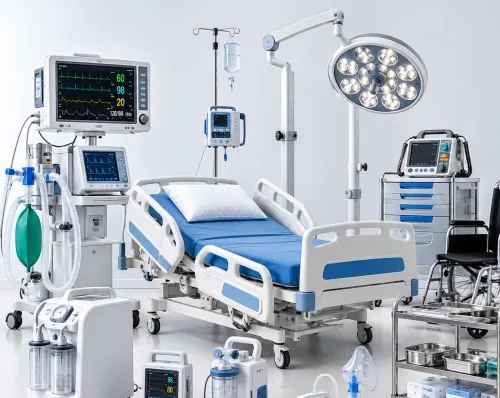
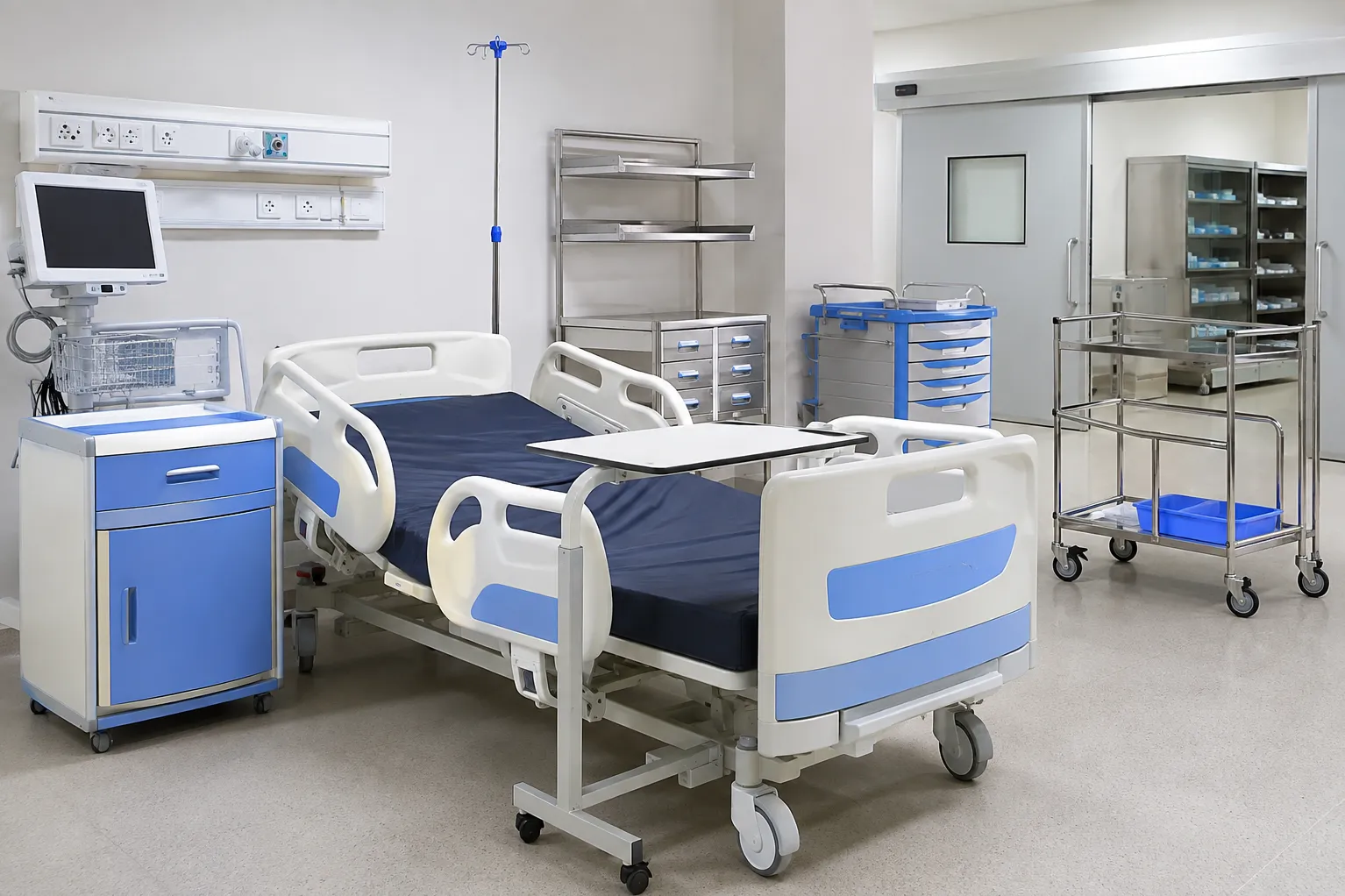
The term Hospital Goods Manufacturer covers a much broader range of requirements than many first-time healthcare buyers expect. A hospital may need products for patient accommodation, examination, treatment, transportation, storage, surgery, rehabilitation, and routine clinical support.
Before requesting quotations, procurement teams should understand where each item will be used and what conditions it must handle.
Different Departments Have Different Requirements
A general ward primarily needs products that support patient accommodation and routine nursing care. An operation theatre has very different requirements involving workflow, accessibility, cleaning, storage, and procedural support.
Typical procurement categories may include:
- Patient room furniture
- Ward equipment
- Examination furniture
- Patient transfer products
- Medical trolleys
- OT furniture
- Instrument storage
- Surgical products
- Rehabilitation equipment
- Clinical accessories
Creating separate department schedules helps prevent unsuitable products from being purchased simply because they appear similar.
Usage Frequency Changes Product Requirements
Equipment used occasionally in a consultation room experiences different demands from products used continuously in a high-volume hospital.
Consider a patient trolley that moves between emergency, diagnostic, treatment, and recovery areas throughout the day. Mobility, stability, wheel quality, construction, and cleaning accessibility become particularly important.
Procurement teams should estimate expected usage before finalising specifications.
Cleaning Requirements Influence Product Choice
Healthcare furniture requires regular cleaning. Products with difficult-to-reach areas, unnecessary gaps, unsuitable surfaces, or complicated structures can make routine housekeeping more difficult.
When evaluating hospital goods, buyers can examine:
- Surface accessibility
- Joint construction
- Material compatibility
- Upholstery cleaning requirements
- Removable components
- Wheel accessibility
- Corrosion protection
- General finish quality
The appropriate choice depends on the product's intended environment and the facility's cleaning protocols.
Dimensions Should Match Actual Spaces
Buying furniture without checking room dimensions can create workflow problems after installation.
Hospitals should consider door widths, corridors, lift dimensions, bedside clearance, staff movement, equipment positioning, and storage areas before approving sizes.
This is particularly important for healthcare projects in Pune and other Maharashtra cities where hospitals may operate in buildings with very different layouts.
Documentation Improves Procurement Clarity
Clear specifications allow hospitals to compare quotations more accurately. A vague description such as 'hospital trolley' can result in suppliers quoting products with significantly different materials, dimensions, features, and construction.
A useful specification may define:
- Product dimensions
- Construction material
- Functional features
- Mobility requirements
- Number of shelves or drawers
- Accessories
- Finish
- Quantity
The more clearly the requirement is documented, the easier technical evaluation becomes.
Manufacturer Communication Matters
Windlio International works in the hospital furniture and medical equipment manufacturing segment from Pune. For institutional buyers, communication with a manufacturer should focus on application requirements rather than catalogue selection alone.
Healthcare administrators and procurement teams can ask manufacturers to clarify product specifications, available configurations, manufacturing capabilities, expected supply timelines, and support arrangements.
Dealers may additionally need information about repeat availability and product range consistency.
Build Procurement Around Clinical Requirements
Choosing a Hospital Goods Manufacturer becomes easier when hospitals first define what each department actually needs. Product suitability should be evaluated using clinical application, expected usage, available space, maintenance considerations, cleaning requirements, and staff workflow.
For hospitals, nursing homes, clinics, and healthcare institutions across Maharashtra, this requirement-led approach can make procurement more organised while reducing the risk of selecting equipment that looks appropriate in a catalogue but does not perform effectively in everyday clinical use.
Keywords