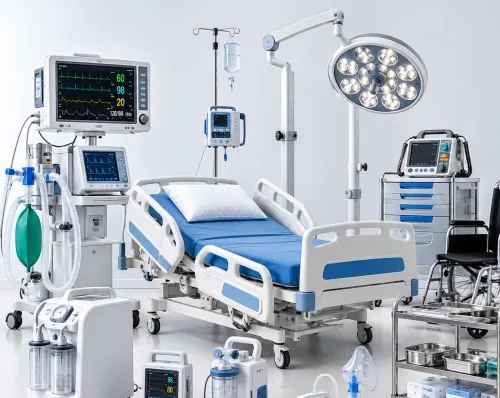
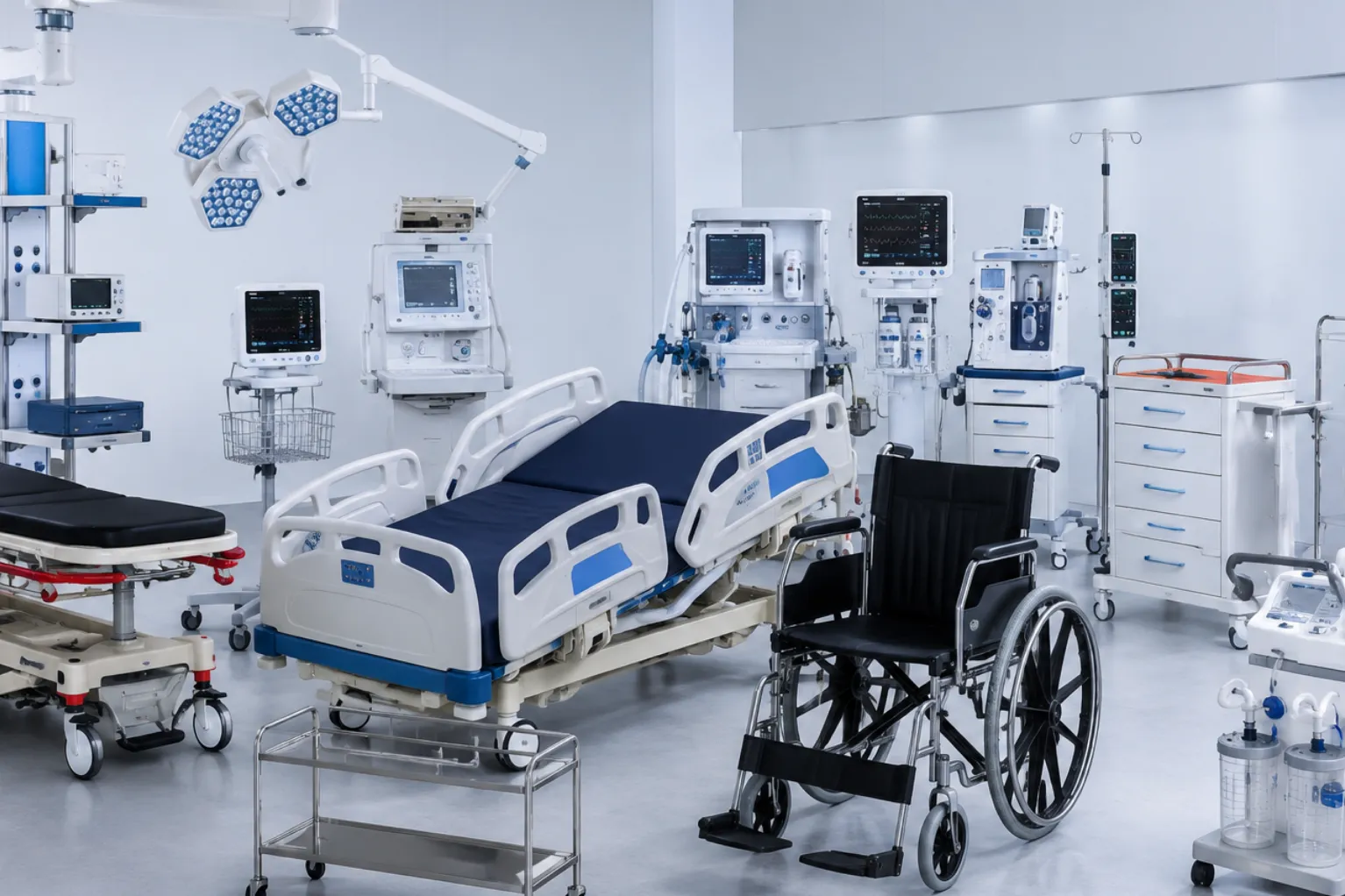
Hospitals depend on a wide range of equipment to support patient care, clinical workflows, staff efficiency, hygiene, mobility, storage, emergency response, and day-to-day operations. Choosing a reliable Hospital Equipment Manufacturer therefore requires more consideration than simply comparing a product catalogue.
Healthcare facilities in Pune, across Maharashtra, and in other regional markets often procure equipment during new hospital projects, department expansions, renovations, or replacement cycles. Understanding what to evaluate before procurement can help hospitals make practical purchasing decisions.
What Falls Under Hospital Equipment?
Hospital equipment covers products used across patient rooms, wards, operation theatres, examination areas, diagnostic departments, recovery areas, and clinical support spaces.
Depending on the facility, requirements may include:
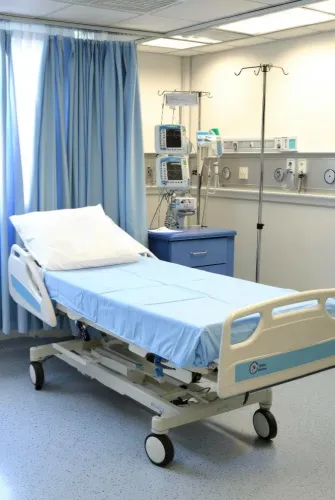
- Hospital beds
- Examination tables
- Bedside furniture
- Patient trolleys
- Stretchers
- Instrument tables
- Medical storage units
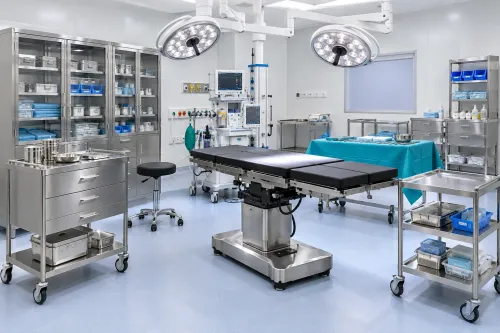
- OT furniture
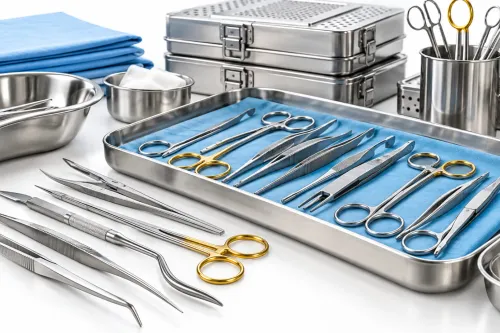
- Surgical equipment
- Physiotherapy equipment
- Patient mobility products
The exact specification should be based on clinical use rather than purchasing identical equipment for every department.
Why Product Design Matters in Healthcare
Hospital equipment is used repeatedly by doctors, nurses, technicians, attendants, patients, and housekeeping teams. Small design details can influence everyday usability.
For example, a hospital bed should support patient positioning, nursing access, cleaning, and safe movement. A trolley should provide stable mobility while allowing staff to access necessary items efficiently.
Healthcare facilities should therefore assess:
- Intended clinical application
- Frequency of use
- Patient load
- Ease of movement
- Cleaning requirements
- Space availability
- Maintenance accessibility
- Ergonomic considerations
A product suitable for a small clinic may not necessarily meet the operational demands of a busy multispecialty hospital.
Material Selection Deserves Attention
Materials used in hospital furniture should be appropriate for the healthcare environment. Surfaces may undergo frequent cleaning, exposure to disinfectants, repeated handling, and continuous movement.
Procurement teams should review construction quality, surface finish, joints, wheels, moving components, load-bearing areas, and ease of cleaning.
Stainless steel, coated metal, engineered components, and suitable upholstery materials may be selected according to the application.
Standardisation Can Simplify Procurement
Hospitals with multiple wards or departments can benefit from standardising selected equipment categories. Standardisation can make staff familiarisation, maintenance planning, spare management, and future procurement easier.
However, standardisation should not eliminate department-specific requirements. ICU, OT, emergency, general ward, outpatient, and rehabilitation environments may each need different configurations.
Manufacturing Capability Is Part of Product Quality
A capable manufacturer should be able to translate healthcare requirements into practical equipment specifications.
Windlio International serves healthcare procurement requirements from Pune for hospitals, clinics, nursing homes, diagnostic centres, medical equipment dealers, and healthcare projects. When assessing any manufacturer, buyers should look beyond appearance and understand how products are designed, fabricated, finished, assembled, checked, and supported.
Important questions include:
- Can specifications be clearly documented?
- Are different sizes or configurations available?
- Is the equipment appropriate for its intended department?
- Can bulk requirements be handled consistently?
- Is technical product information available?
- What support is available after supply?
Planning Procurement More Effectively
Healthcare procurement becomes easier when the requirement begins with a department-wise equipment schedule. Instead of requesting a general quotation, hospitals can define quantities, dimensions, functions, preferred configurations, delivery requirements, and installation considerations.
For healthcare facilities in Pune and Maharashtra, this approach can reduce specification confusion while making supplier evaluation more meaningful.
A Hospital Equipment Manufacturer should ultimately be assessed on product suitability, manufacturing consistency, practical design, documentation, service capability, and the ability to understand healthcare workflows. Well-planned procurement helps create clinical environments where equipment supports both patient care and efficient daily operations.
Keywords